Understanding the Tolerances in Custom Rubber Molding Processes
The Basics of Custom Rubber Molding
Overview of Rubber Molding Processes
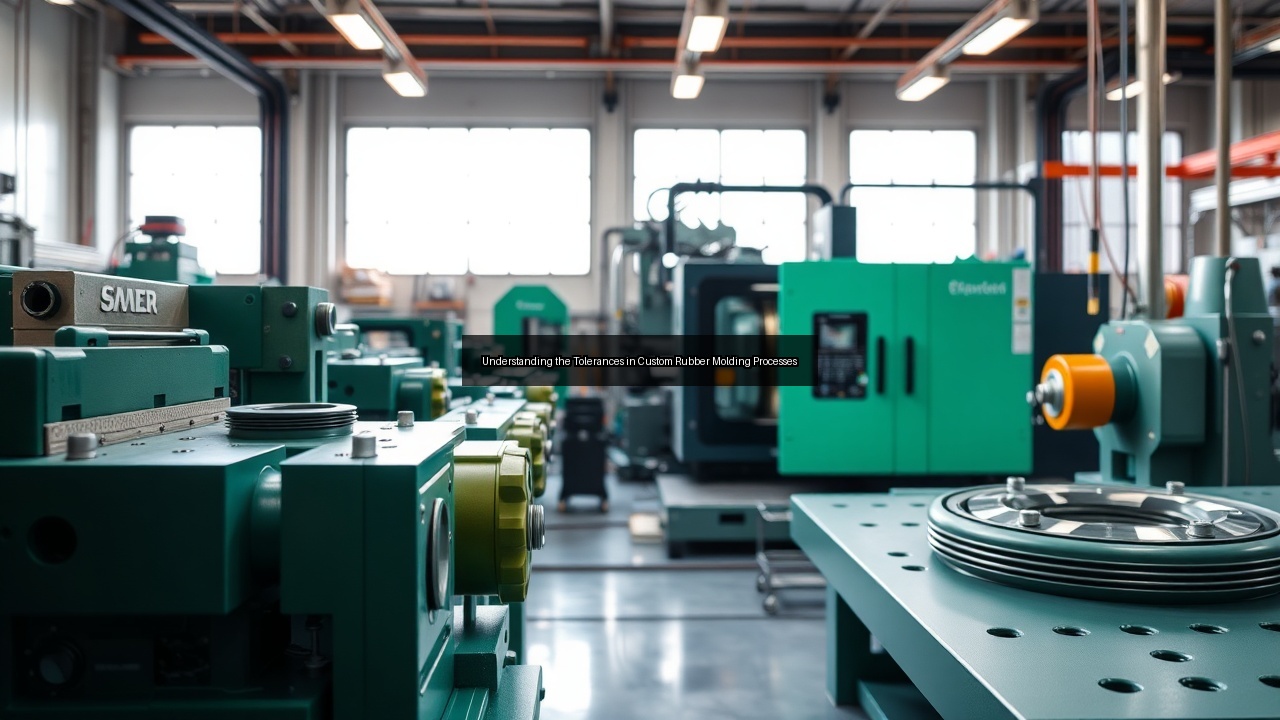
Custom rubber molding starts with shaping raw elastomer compounds into precise components that meet exact engineering requirements. Manufacturers heat and form the material inside a dedicated mold under controlled pressure and temperature to create durable parts. This process delivers consistent results for industries that demand tight tolerances on every production run. Engineers select compounds like EPDM or silicone based on the end-use environment, whether it involves vibration dampening or chemical resistance. Proper mold design directly influences how well the final product holds its dimensions after cooling and curing. Customers rely on experienced manufacturers to balance material flow, shrinkage rates, and cavity fill so that each molded piece performs reliably. Understanding these fundamentals helps buyers specify the right parameters for their custom rubber molding projects from the outset.
Types of Rubber Molding Techniques
Three primary techniques dominate custom rubber molding today. Injection molding forces heated material into closed molds at high pressure for rapid cycle times and excellent repeatability. Compression molding places pre-measured rubber blanks into open molds then applies heat and force to fill cavities, offering simplicity for larger or simpler shapes. Transfer molding pushes material through a pot and runner system into the mold, combining elements of both previous methods to handle complex inserts and bonding operations. Each technique carries distinct tolerance capabilities tied to mold construction, material viscosity, and process controls. Selection depends on part geometry, production volume, and required precision. Manufacturers evaluate these factors early so the chosen method aligns with customer expectations for both cost and dimensional accuracy.
Key Materials Used in Custom Rubber Molding
Material choice drives performance and tolerance stability in custom rubber molding. EPDM offers excellent weather and ozone resistance for automotive seals and grommets. Silicone withstands extreme temperatures while maintaining flexibility in medical and food-grade applications. Nitrile provides oil resistance for industrial bumpers and gaskets. Manufacturers compound these base elastomers with fillers, accelerators, and curatives to fine-tune hardness, elongation, and shrinkage. Lower shrinkage materials reduce post-mold distortion and help hold tighter tolerances. Engineers also consider bonding agents when rubber must adhere to metal or plastic substrates. Testing batches before full production ensures the selected formulation behaves predictably inside the mold under specific pressure and temperature profiles.
Understanding Tolerances in Rubber Molding
What Are Tolerances and Why Are They Important?
Tolerances define the acceptable range of dimensional variation in a molded rubber part. They determine whether a bushing fits correctly on a shaft or a gasket seals under pressure without leaking. Tight tolerances prevent assembly issues and reduce noise or vibration in finished products. Loose tolerances may lower manufacturing cost but can lead to field failures or customer complaints. In custom rubber molding, tolerances typically range from ±0.005 inches for precision parts to ±0.030 inches for larger, less critical components. Clear tolerance specifications guide mold design, material selection, and process parameters. Manufacturers that communicate tolerance needs accurately help customers avoid costly revisions later in the project.
Factors Affecting Tolerances in Molding
Multiple variables influence final tolerances during custom rubber molding. Mold construction quality, including cavity surface finish and alignment, sets the baseline accuracy. Material shrinkage during cooling varies with compound type and part thickness. Temperature fluctuations in the press affect cure consistency and dimensional stability. Injection pressure, transfer pressure, and clamp force all impact how completely the material fills intricate features. Operator experience with setup and monitoring also plays a role. Manufacturers control these factors through process validation and real-time adjustments. Customers who supply detailed part drawings and performance requirements enable better tolerance predictions before tooling begins.
Common Tolerance Standards in Rubber Manufacturing
Industry guidelines such as those from the Rubber Manufacturers Association provide baseline tolerance tables for molded rubber parts. These standards categorize tolerances by part size and complexity, helping manufacturers quote projects consistently. Many facilities exceed these baselines through advanced mold engineering and statistical process control. ISO 3302 outlines tolerance classes that customers reference when specifying requirements for custom rubber molding. Documented standards reduce ambiguity between design teams and production floors. Manufacturers often create custom tolerance matrices tailored to specific elastomers or molding techniques to deliver superior results for demanding applications.
Exploring Different Rubber Molding Techniques
Injection Molding: Precision and Efficiency
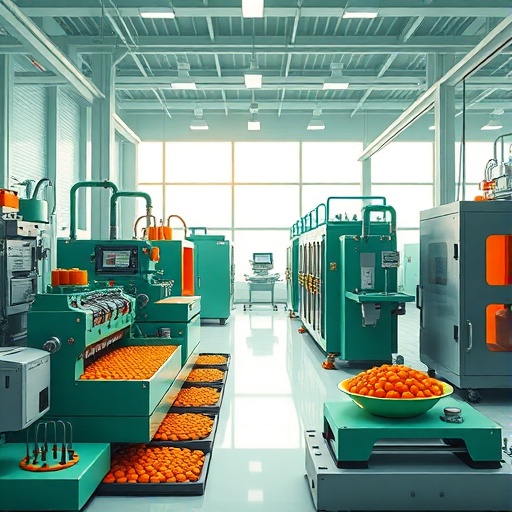
Injection molding excels in custom rubber molding when high volumes and tight tolerances are required. The process injects precisely metered material into closed molds, minimizing flash and allowing complex geometries with consistent wall thickness. Automated presses maintain stable temperature and pressure profiles that support tolerances as tight as ±0.005 inches on critical features. This method reduces material waste compared with older techniques and shortens cycle times for faster delivery. Manufacturers invest in multi-cavity molds and robotic handling to scale production efficiently. Customers benefit from repeatable quality across thousands of parts, whether producing automotive grommets or intricate elastomer seals.
Compression Molding: Cost-Effectiveness and Simplicity
Compression molding remains popular for custom rubber molding projects that prioritize lower tooling costs and medium production volumes. Operators place rubber blanks directly into open molds, then close the press to apply heat and pressure. This straightforward approach works well for larger parts like bumpers or thick gaskets where injection flow might create knit lines. Tolerances are generally wider than injection but still controllable through careful blank sizing and mold maintenance. Many manufacturers use compression for prototype runs before committing to injection tooling. The technique also accommodates insert bonding and fabric reinforcements that enhance part performance in vibration isolation applications.
Transfer Molding: Versatility in Design
Transfer molding bridges the gap between injection and compression in custom rubber molding. Material moves from a heated pot through runners into the closed mold cavity, enabling precise placement around delicate inserts or metal components. This method supports intricate designs and undercuts that would challenge compression while maintaining better tolerance control than open-mold processes. Manufacturers often choose transfer molding for electrical connectors or bonded assemblies requiring clean rubber-to-substrate interfaces. Process parameters such as transfer pressure and pot temperature require careful tuning to avoid scorching or incomplete fills. The resulting parts exhibit excellent dimensional consistency and surface quality.
Quality Control and Inspection in Custom Rubber Molding
Importance of Quality Control in Molding Processes
Robust quality control protects the integrity of every custom rubber molding run. Systematic checks at incoming material, in-process, and final inspection stages catch deviations before they reach the customer. Documented procedures track temperature, pressure, and cure time to maintain process capability. When tolerances drift, teams investigate root causes such as mold wear or compound variation. Strong quality systems reduce scrap, protect delivery schedules, and build customer confidence. Manufacturers that embed quality checkpoints throughout production deliver parts that meet specifications without repeated rework.
Inspection Techniques for Tolerance Verification
Modern inspection methods verify tolerances in custom rubber molding with high accuracy. Coordinate measuring machines capture three-dimensional data on critical dimensions. Optical comparators and laser scanners provide non-contact measurement for soft elastomers that deform under probe pressure. Go/no-go gauges offer quick checks on high-volume lines. Manufacturers combine these tools with statistical sampling plans to monitor process stability. Detailed inspection reports accompany shipments so customers can confirm compliance immediately. Regular calibration of all equipment ensures measurement reliability across every batch.
Role of ISO Standards in Rubber Manufacturing
ISO 9001 and related standards guide quality management in custom rubber molding operations. Certification demonstrates that manufacturers follow documented processes for design control, production, and corrective action. ISO 14001 adds environmental considerations that many customers now require. Adherence to these standards improves traceability from raw material lot to finished part. Customers gain assurance that tolerance specifications receive consistent attention through every stage of manufacturing. Regular audits keep systems current and reinforce continuous improvement across the entire facility.
Applications and Innovations in Custom Rubber Molding
Automotive Applications: Bushings and Gaskets
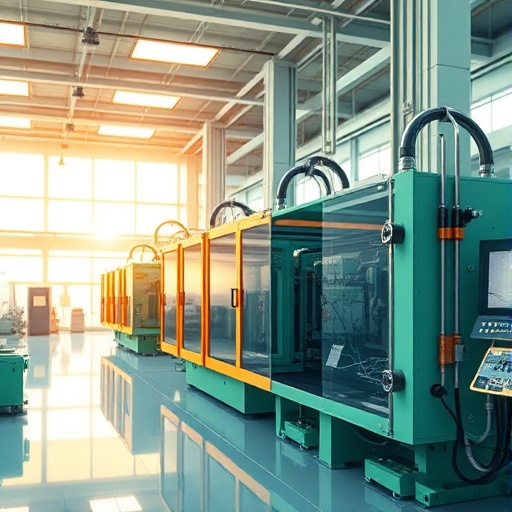
Automotive manufacturers depend on custom rubber molding for vibration-damping bushings, weather seals, and engine gaskets. These components must maintain tight tolerances under wide temperature swings and constant motion. EPDM and natural rubber compounds provide the right balance of flexibility and durability. Precision molding ensures bushings press into housings without binding while gaskets seal against oil and coolant leaks. Manufacturers often bond rubber directly to metal sleeves or plates during the molding cycle. This integrated approach reduces assembly steps and improves long-term reliability in demanding under-hood environments.
Food Packaging Solutions: Clean Room Molding
Food packaging equipment requires molded rubber parts produced in clean room environments to prevent contamination. Silicone and other FDA-compliant elastomers are common choices for gaskets, valves, and conveyor components. Custom rubber molding in ISO-classified clean rooms controls particulates while holding tight tolerances on sealing surfaces. Manufacturers validate processes to meet hygiene standards and traceability requirements. These specialized capabilities allow customers to integrate molded parts directly into filling and sealing lines without additional cleaning steps.
Emerging Technologies: Silicone and Elastomer Innovations
New elastomer formulations and molding technologies continue to expand possibilities in custom rubber molding. Liquid silicone injection systems enable faster cycles and intricate micro-features for medical and electronics applications. Advanced bonding techniques improve adhesion between rubber and plastic or composite substrates. Manufacturers experiment with conductive compounds for electromagnetic shielding and self-healing elastomers for extended service life. These innovations support tighter tolerances and novel part geometries that were previously difficult to achieve. Customers benefit from collaboration with forward-thinking manufacturers who apply the latest materials and process controls to their specific designs.